July 29, 2026
Losing a loved one in a drowning is devastating. In addition to the grief, families may be left with medical bills, funeral expenses, lost income, and unanswered questions about how the tragedy happened.
When a fatal drowning is caused by the negligence of a property owner, business, boat operator, or another party, the victim’s family may have the right to pursue a wrongful death lawsuit. Although legal action cannot replace a loved one, it can help a family obtain answers, seek financial compensation, and hold the responsible parties accountable.
If your family has experienced this type of loss, a South Carolina drowning accident lawyer can investigate the circumstances and help you understand the legal options available.

Not every drowning is caused by negligence. However, a wrongful death claim may be possible when a person, business, or organization fails to use reasonable care and that failure contributes to someone’s death.
Examples of negligence that may lead to a fatal drowning include:
Drowning accidents may occur at private homes, apartment complexes, hotels, resorts, public pools, beaches, lakes, rivers, marinas, water parks, and other locations. The legal responsibilities of the parties involved will depend on where the drowning happened and what caused it.
Families can learn more about these cases by visiting our page about advocating for drowning victims and their families.
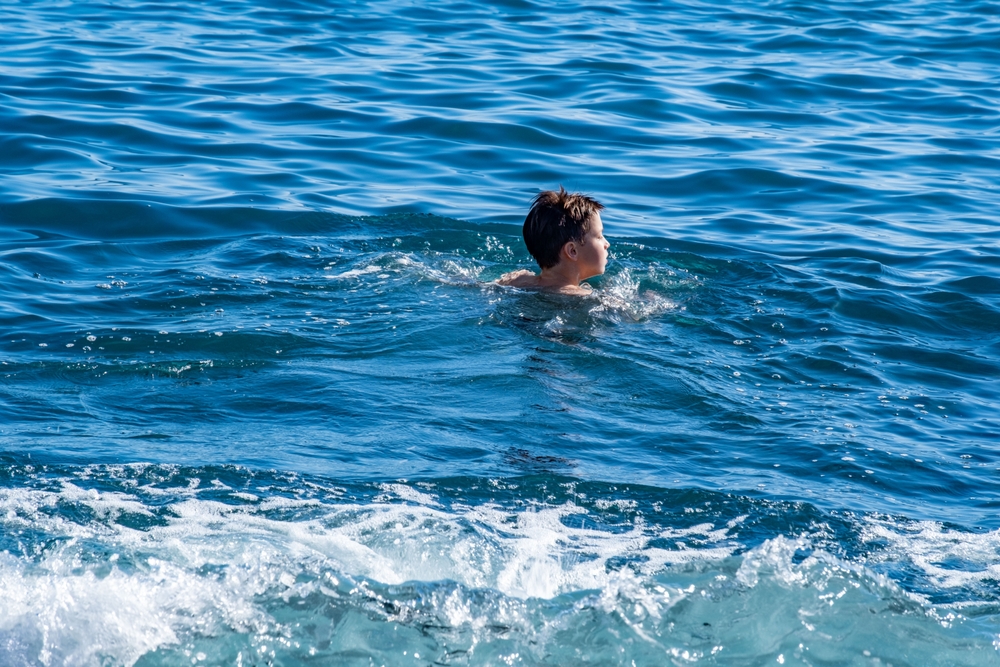
In South Carolina, a wrongful death lawsuit is generally brought by the personal representative of the deceased person’s estate. The representative files the lawsuit for the benefit of the family members who would be entitled to inherit from the deceased person under state law.
Depending on the circumstances, the beneficiaries may include:
Because family situations can be complicated, it is important to speak with an attorney about who may benefit from a claim and who has the authority to begin the legal process.
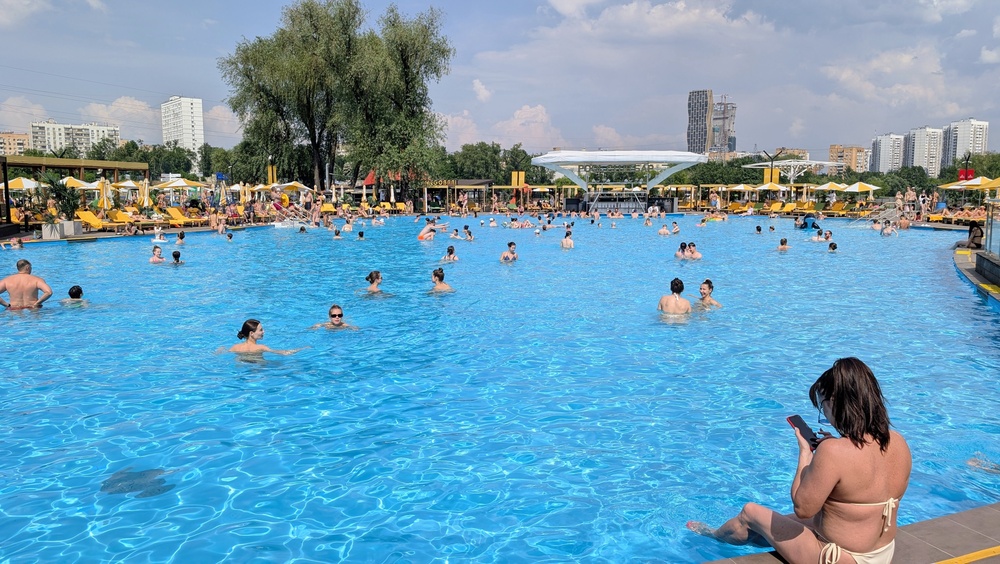
Liability depends on how and where the drowning occurred. Some cases involve one negligent party, while others involve several individuals, businesses, or organizations.
Potentially responsible parties may include:
For example, an apartment complex may be responsible if it failed to repair a broken pool gate or address a known safety hazard. A boat operator may be liable if reckless operation caused a passenger to fall overboard. A hotel or recreational facility could potentially be responsible if it failed to provide reasonable supervision or maintain required safety equipment.
A thorough investigation is often necessary to determine who had a duty to protect the victim, how that duty was violated, and whether the violation contributed to the drowning.
Families sometimes wonder whether a person who witnessed a drowning can be held responsible for failing to intervene. The answer depends on the specific circumstances.
A bystander generally may not have a legal duty to attempt a rescue. However, a duty may exist when the person had a particular relationship with the victim, created the dangerous situation, agreed to provide supervision, or held a professional or contractual responsibility to respond.
For a closer look at this issue, read Can a Bystander Be Held Liable for a Drowning or Assault in South Carolina?.

No amount of compensation can undo the loss of a loved one. A wrongful death claim can, however, help address the financial and emotional consequences that surviving family members face.
Depending on the facts of the case, recoverable damages may include:
If the victim received emergency treatment, hospitalization, or other medical care before passing away, the related expenses may be included in the claim.
Families may seek compensation for reasonable funeral, burial, or cremation costs associated with their loss.
A claim may account for the wages, benefits, services, and financial support the deceased person would likely have provided to the family.
Surviving family members may be entitled to compensation for the loss of their loved one’s companionship, affection, care, guidance, and support.
The emotional impact of an unexpected death may also be considered when determining damages.
In some cases, a separate survival action may be available to recover damages the deceased person could have pursued if they had survived. An attorney can explain which claims may apply based on the circumstances of the drowning.
The days and weeks following a drowning can be overwhelming. Families should be able to focus on grieving, but several steps may also help protect their legal rights.
Keep copies of medical bills, funeral expenses, correspondence, photographs, videos, and any documents connected to the incident.
Record the names of witnesses and as many details as possible about what happened. Small facts that seem unimportant at first may become valuable during an investigation.
An insurance company may contact the family soon after the drowning. Before providing a recorded statement or accepting a settlement, consider speaking with a lawyer who represents your family’s interests.
A release may prevent the family from pursuing additional compensation, even if new information or damages are discovered later.
Wrongful death claims are subject to filing deadlines. Some cases, particularly those involving government property or public agencies, may also involve additional notice requirements or procedures.
Joseph Kaiser represents people and families in serious personal injury cases throughout South Carolina. His goal is to provide clear advice, personal attention, and determined advocacy during an exceptionally difficult period. You can learn more about Joseph Kaiser and his legal experience.

If your loved one died in a preventable drowning, you deserve honest answers about what happened and who may be responsible. Joseph Kaiser, Attorney at Law, LLC helps families investigate fatal drowning accidents and pursue accountability from negligent parties.
To discuss your family’s situation and learn more about your legal options, contact Joseph Kaiser, Attorney at Law, LLC today. A consultation can help you understand the next steps and whether you may have grounds to pursue a wrongful death claim.

