June 3, 2026
Facing a hit-and-run on SC rural roads? Learn your rights, SC hit-and-run laws, and how Joseph Kaiser Attorney at Law can help you navigate uninsured claims.
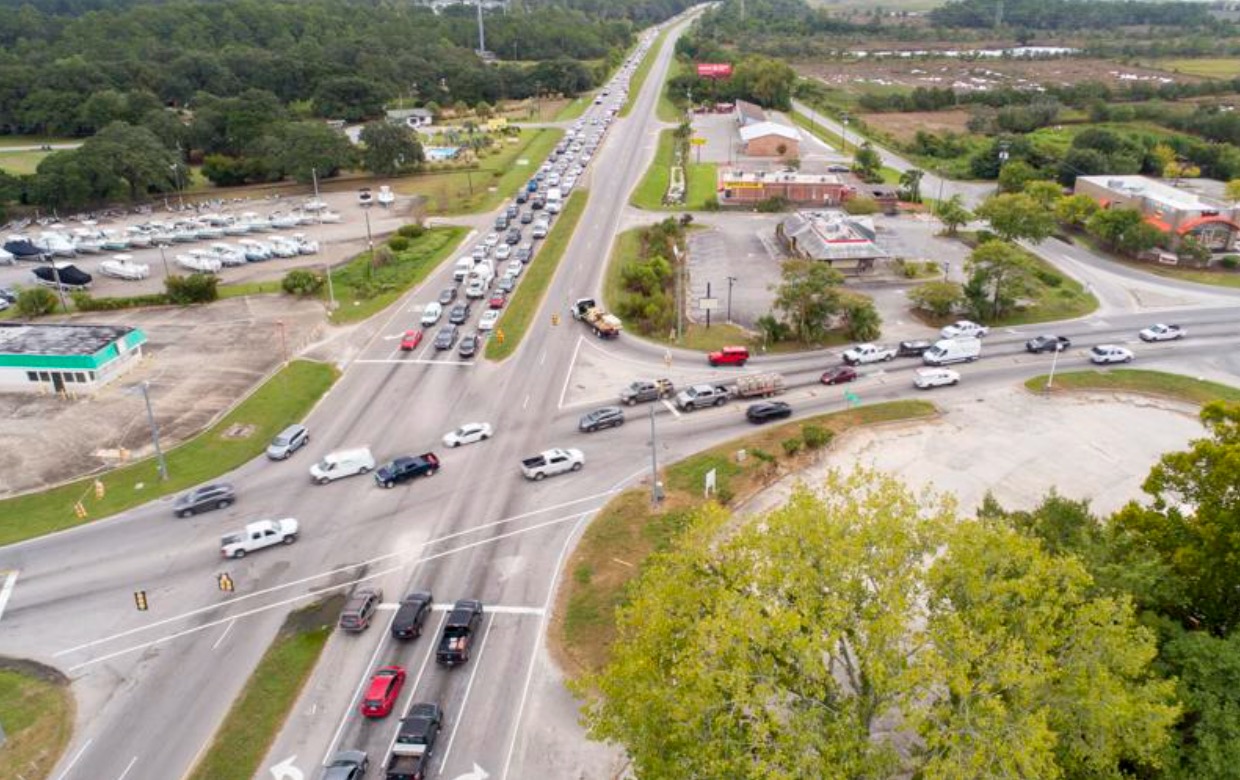
South Carolina’s backroads have a secret, and it’s written in collision data. While many drivers assume rural routes are safer than busy city streets, the numbers tell a far more unsettling story, one that every South Carolinian needs to hear before getting behind the wheel.
According to the South Carolina Department of Public Safety, a traffic collision occurs every 3.7 minutes in South Carolina, with a fatal crash happening every 9 hours. That’s not a statistic to scroll past.
The fatality rate on South Carolina’s non-interstate rural roads reaches 3.6 deaths per 100 million vehicle miles traveled—nearly four times higher than other road types in the state.
This staggering disparity means that the quiet country lane or wooded shortcut you take every morning may carry far more risk than the crowded interstate you’re trying to avoid. Rural roads aren’t peaceful retreats from traffic danger, they’re frequently the most dangerous roads in the state.
Hit-and-run accidents in South Carolina add a devastating layer to this crisis. When a collision happens miles from the nearest witness, fleeing the scene becomes tragically easier. Victims are left stranded, injured, and without immediate answers about who caused their suffering or how to seek justice.
Understanding why these incidents are rising, and what environmental factors make rural roads uniquely prone to them, is the first step toward fighting back. The road conditions themselves, it turns out, are part of the problem.
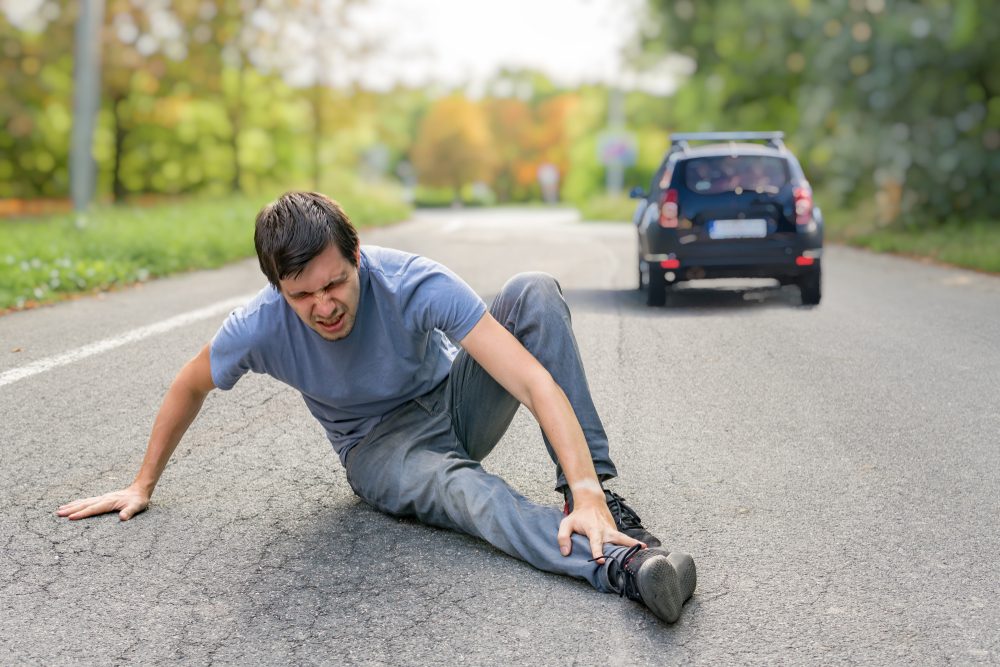
South Carolina rural road safety is a crisis hiding in plain sight. The same features that make backroads feel peaceful, the canopy of trees, the quiet stretches between towns, the absence of traffic lights are precisely what make them so dangerous when something goes wrong.
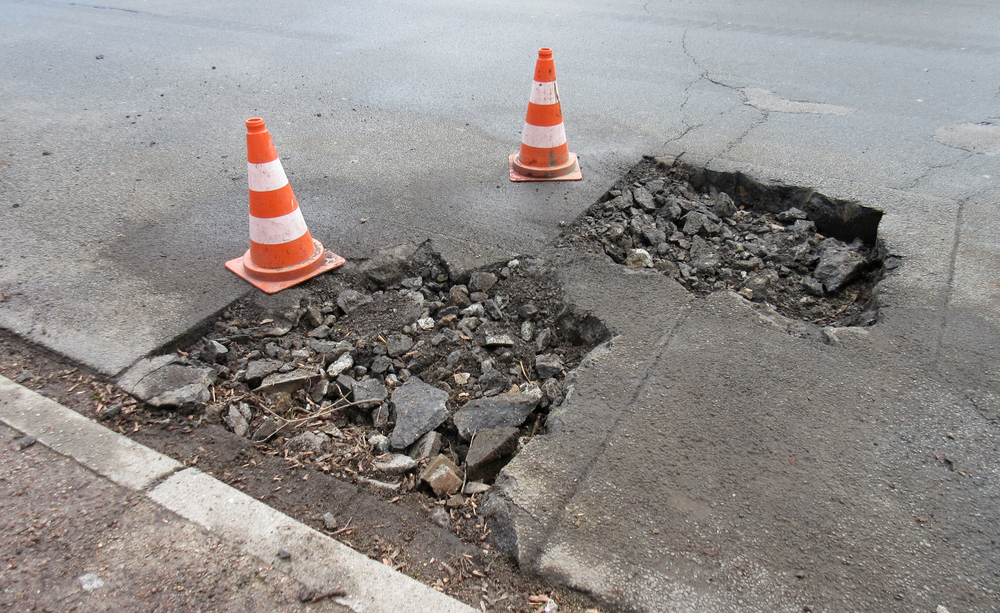
Before a driver ever makes the choice to flee, the road itself often plays a role in the initial crash. According to Joseph Kaiser, Attorney at Law LLC, and SCDOT data, approximately 50% of rural roads in South Carolina are rated in poor or mediocre condition, featuring narrow lanes and a complete lack of paved shoulders. Add unmarked curves, deteriorating pavement edges, and surprise dips, and you have a road environment that punishes even momentary inattention. Lawmakers have debated fixes for years, but funding gaps leave thousands of miles unaddressed.
Once a collision happens, rural isolation removes nearly every check on a driver’s impulse to leave. No traffic cameras. No bystanders. No nearby businesses with security footage. This creates what amounts to a false sense of anonymity, a fleeing driver genuinely believes no one saw them and no one will ever know. That calculated gamble, however wrong it may ultimately prove, is far easier to make on a dark county road at midnight than on a busy four-lane highway.
Rural roads are deceptively dangerous because they look simple. But as Cpl. Sonny Collins of the South Carolina Highway Patrol has noted:
“Mistakes [on rural roads] can have larger consequences because your room for error is a lot less. The speed limit is 55, but you have lots of driveways and farm equipment.”
That narrow margin means collisions are often severe, and severe collisions create a panicked driver more likely to run.
Understanding why these roads breed hit-and-runs is only part of the picture. What happens legally when a driver does flee is where consequences get serious.
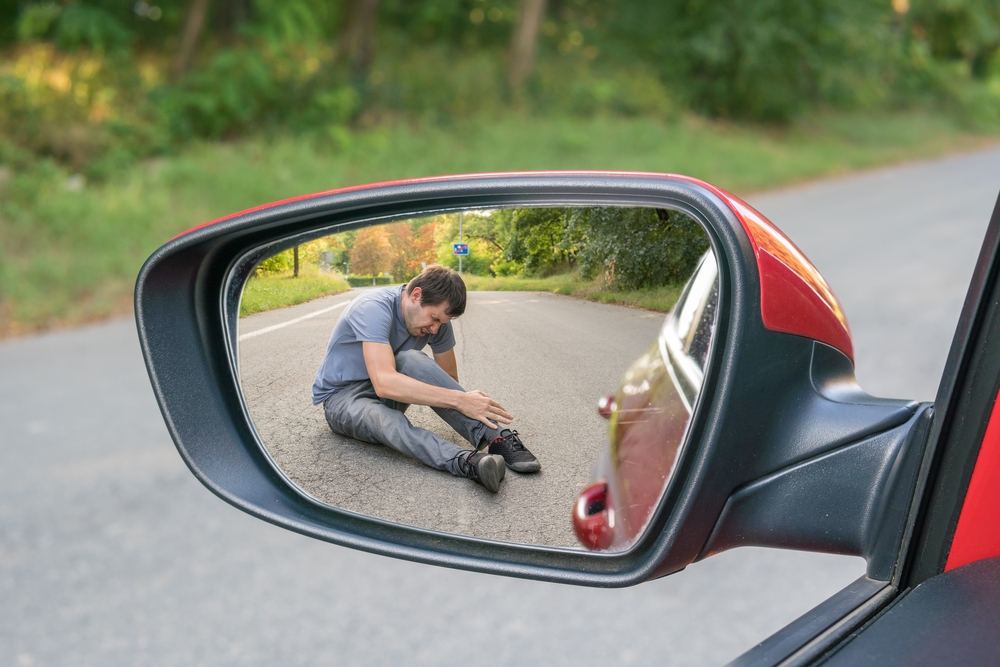
Understanding the legal framework behind hit-and-run accidents matters, because the law is firmly on the victim’s side, even when the offending driver is long gone.
South Carolina law is unambiguous: any driver involved in an accident resulting in injury or death must stop immediately, remain at the scene, and render reasonable aid. These aren’t optional courtesies. They’re legal obligations, and violating them carries serious criminal consequences.
When a collision occurs, the responsible driver is required to:
Failing any one of these obligations can trigger criminal charges.
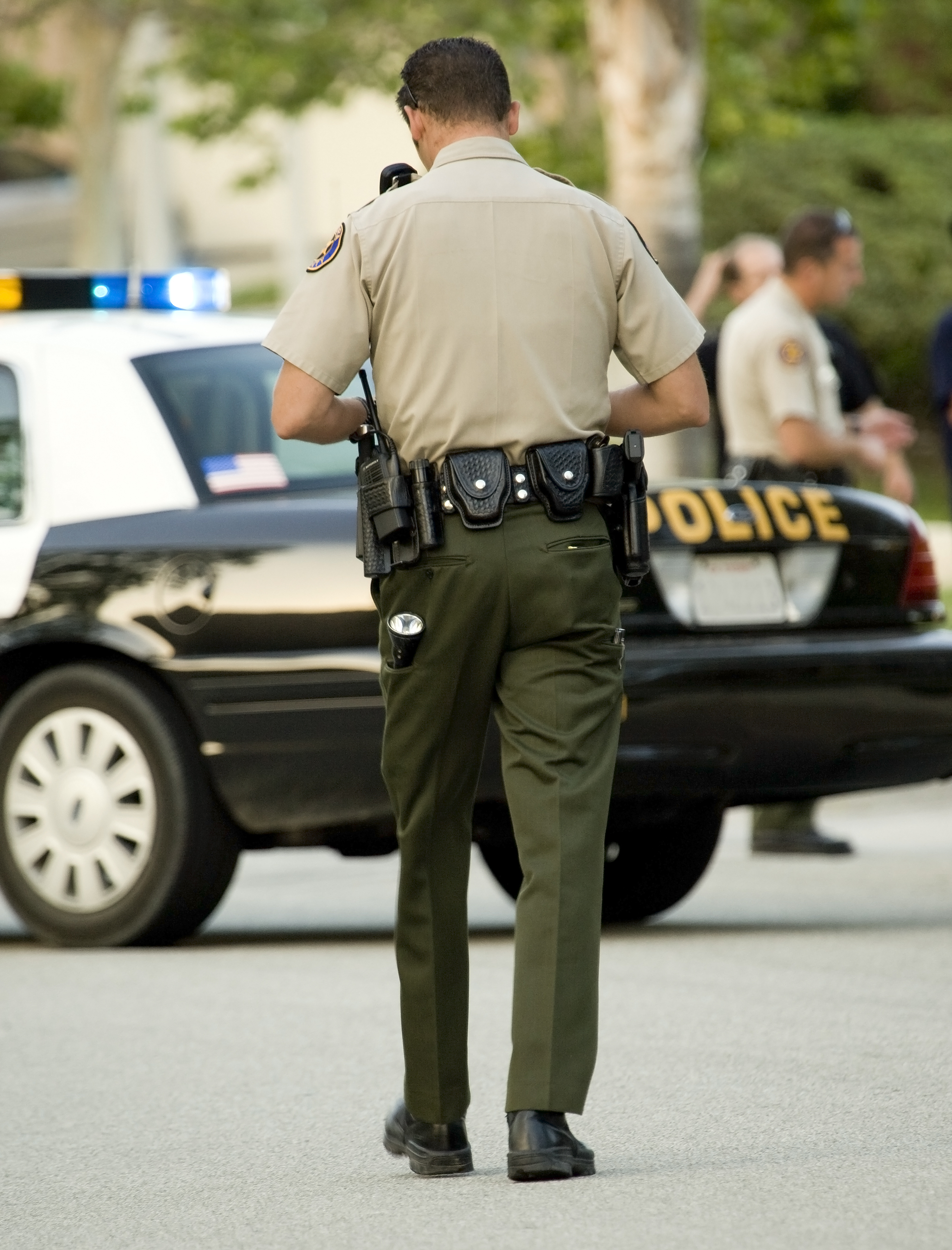
Not all hit-and-run charges are equal. A collision involving only property damage may result in a misdemeanor charge. However, when injury or death is involved, leaving the scene becomes a felony offense under South Carolina law, one that can mean years in prison and permanent license revocation. As Kaiser Law SC Blog notes, attorneys like those at Joseph Kaiser, Attorney at Law understand how aggressively prosecutors pursue these cases, particularly when victims sustain serious harm.
A criminal investigation doesn’t just punish the fleeing driver, it actively benefits you as a victim. Police reports, arrest records, and witness testimony gathered during a criminal case can become powerful evidence in a personal injury claim, establishing fault and strengthening your compensation argument.
Recent high-profile arrests in the Charleston area confirm that law enforcement is actively pursuing hit-and-run suspects, even on rural routes where witnesses are scarce.
Knowing your legal rights is critical, but so is knowing exactly what to do in the chaotic moments after a crash occurs.
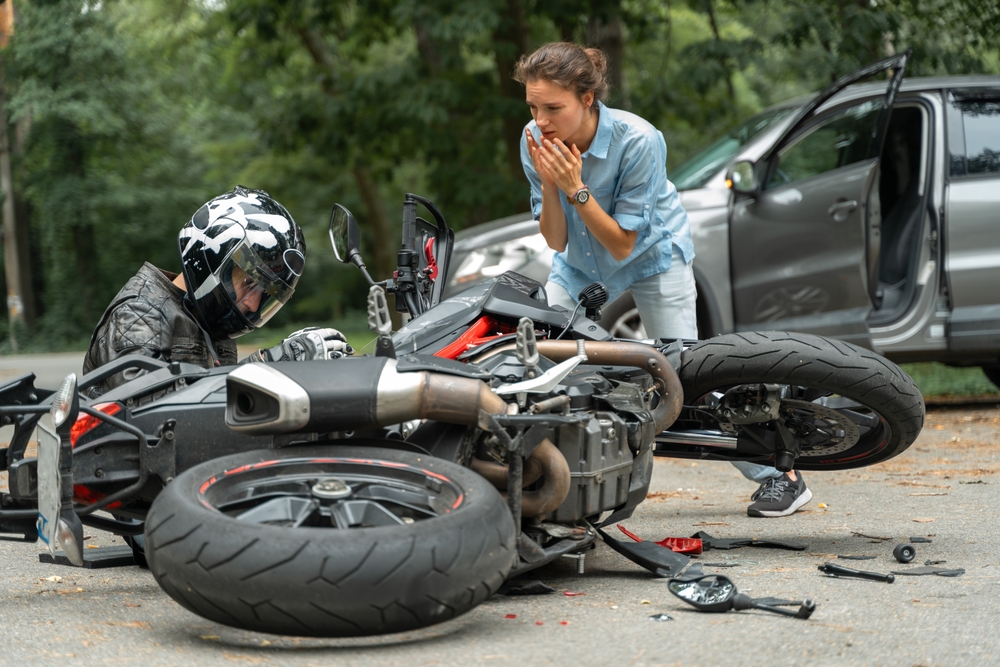
When a hit-and-run happens on a rural South Carolina backroad, the minutes immediately after the crash can define the outcome of any future legal claim. With an injury-causing accident occurring every 15 minutes in South Carolina, knowing exactly what to do, before help arrives, is not optional. It’s essential.
Here’s what to do when you’re stranded miles from the nearest town:
1. Get Safe, Then Get Connected Move your vehicle out of the travel lane if you can do so safely, and activate your hazard lights immediately. Call 911 right away, even if you believe the injuries are minor, because a police report creates the official record that insurers and attorneys will rely on later.
2. Document Everything With Your Smartphone The fleeing driver may be gone, but the evidence they left behind isn’t. Photograph skid marks, debris, paint transfer on your vehicle, and any visible injuries. Video works even better narrate what you see while details are fresh.
3. Hunt for ‘Hidden’ Witnesses Rural doesn’t mean unobserved. Scan the area for nearby farmhouses, agricultural operations, or hunting properties any of these may have trail cameras or security footage that captured the fleeing vehicle. Knock on doors. Ask. That footage can disappear within days if no one requests it.
4. Seek Medical Attention Immediately Adrenaline masks pain. What feels like minor soreness at the scene can signal a serious injury that worsens within 48 hours. Seeing a doctor the same day creates a medical record that directly links your injuries to the crash, a connection that’s much harder to establish later.
Pro Tip — Evidence Gathering: Screenshot your GPS location, note the exact time, and photograph any road hazards that may have contributed to the crash. A Charleston car accident lawyer can use this documentation to build a compelling case even when the at-fault driver is never identified.
Once you’ve protected your health and gathered evidence, the next challenge becomes just as urgent: figuring out who pays when the driver who hit you has disappeared entirely.
One of the biggest fears victims carry after a rural hit-and-run is the belief that an unidentified driver means zero compensation. That fear is understandable—but under SC hit and run laws, it’s not accurate. South Carolina actually requires all auto insurance policies to include Uninsured Motorist (UM) coverage, which means your own policy can step in to cover damages even when the at-fault driver disappears into the dark.
South Carolina’s insurance framework includes what’s commonly called the “John Doe” provision. When a fleeing driver is never identified, victims can file a claim against their own UM coverage as if that unknown driver were the defendant. According to Kaiser Law SC Legal Insights, hit-and-run victims in South Carolina can recover damages through their Uninsured Motorist coverage even when the responsible driver is never found. This provision exists specifically to protect people in exactly these situations.
Here’s the uncomfortable reality: your own insurer can still fight you. Insurance companies may dispute whether physical contact occurred, challenge injury severity, or question the accident’s circumstances. The burden shifts onto you to prove a real collision happened.
The insurer’s financial incentive to minimize your payout doesn’t disappear simply because the other driver fled the scene. That’s precisely why having skilled legal representation matters—someone who understands how to negotiate firmly and document your claim properly can make the difference between a fair settlement and a denied one. Navigating that process alone, especially after a traumatic rural accident, is far harder than it sounds—which is why who represents you matters enormously.
Rural hit-and-run cases in South Carolina are not standard fender-benders. They involve remote locations, delayed response times, limited witnesses, and complex uninsured motorist coverage in SC claims that require precise navigation. Getting these cases right demands more than general legal knowledge — it demands local expertise.
As attorney Joseph Kaiser puts it: “Representing people injured in car accidents in Charleston and across the Lowcountry requires a deep understanding of our unique local roads.” That familiarity with Berkeley, Dorchester, Colleton, and surrounding rural counties isn’t a small detail. It’s the difference between a claim that succeeds and one that stalls.
In practice, attorneys with true regional knowledge understand which roads lack lighting, where law enforcement response times stretch thin, and how local insurers handle disputed UM claims. That context shapes every strategic decision.
You deserve representation built for your situation — not a one-size-fits-all approach.
Contact Joseph Kaiser, Attorney at Law, today for a free consultation: 📞 Call or Submit a Contact Form to get started.

