June 3, 2026

Few events are more devastating than the loss of a loved one in a drowning accident. One moment, a family is enjoying a day at the pool, lake, beach, or marina. The next, they are left asking how such a tragedy could have happened.
In many cases, drowning incidents are immediately labeled as accidents. However, a closer investigation often reveals a different story. Broken gates, missing barriers, inattentive lifeguards, defective equipment, inadequate warnings, unsafe conditions, and negligent property management frequently play a role.
Under South Carolina law, individuals, businesses, government entities, and property owners have legal responsibilities to maintain reasonably safe conditions. When they fail to do so and someone drowns or suffers a catastrophic near-drowning injury, they may be held financially accountable.
This guide explains who may be liable for a drowning accident in South Carolina, what laws apply, what compensation may be available, and what families should do immediately after a tragedy occurs.
Unlike many other personal injury cases, drowning accidents often involve multiple layers of liability.
A single incident may involve:
Determining responsibility requires a thorough investigation into exactly what happened before, during, and after the drowning event.
In many situations, multiple parties share fault.
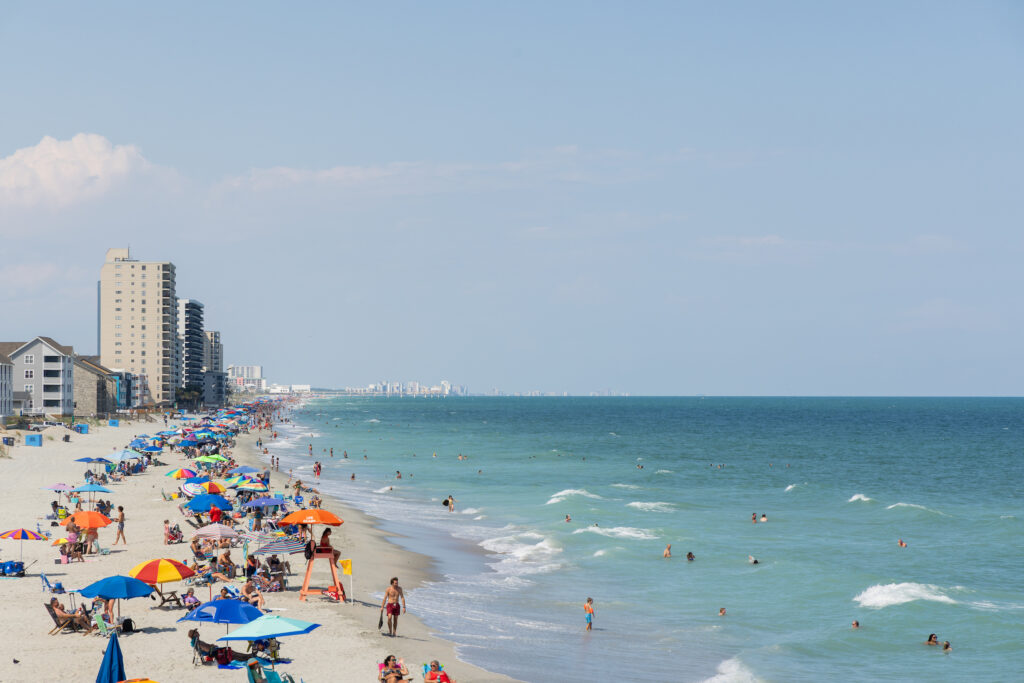
South Carolina’s climate, tourism industry, and abundance of water recreation contribute to a significant number of drowning incidents each year.
Common locations include:
Children under 14 remain among the most vulnerable victims, although adults are also frequently involved in drowning accidents associated with alcohol consumption, boating incidents, and inadequate supervision.

Most drowning lawsuits are based on premises liability.
Premises liability refers to the legal responsibility property owners have to maintain safe conditions for visitors.
The duty owed depends on the person’s legal status on the property.
Invitees include:
These individuals receive the highest level of legal protection.
Property owners must:
Licensees are social guests.
Examples include:
Property owners still owe these guests a duty to warn them of hidden dangers.
Generally, property owners owe fewer duties to trespassers.
However, child drowning cases create a major exception.
Swimming pools are one of the most common examples of an “attractive nuisance.”
The law recognizes that children are naturally drawn to water and often cannot appreciate the dangers associated with it.
As a result, property owners may still be liable even if the child entered the property without permission.
Examples include:
A homeowner cannot automatically avoid liability simply because a child technically trespassed.
Courts often focus on whether the drowning was foreseeable and whether reasonable safety measures were taken.
Private pool owners have a legal responsibility to secure their pools and prevent foreseeable injuries.
Liability may arise when:
Homeowner’s insurance frequently becomes involved in these cases.
Hotels owe one of the highest duties of care under South Carolina law.
Potential negligence may involve:
Because South Carolina attracts millions of tourists each year, hotel pool injuries and drownings occur more frequently than many people realize.
Short-term rentals have exploded throughout Charleston, Myrtle Beach, and Hilton Head.
Owners may be liable when they fail to:
The fact that a guest signed a rental agreement does not automatically eliminate liability.
Community pools create unique liability issues.
Potentially responsible parties may include:
Many of these pools must comply with South Carolina’s public pool regulations.
Failure to follow those regulations may support a negligence claim.
Many families assume that the presence of a lifeguard guarantees safety.
Unfortunately, that is not always true.
Liability may arise when:
South Carolina courts have upheld significant verdicts involving allegations of lifeguard negligence when safety failures contributed to drowning deaths.
Water parks owe visitors a duty to provide reasonably safe attractions.
Potential negligence includes:
These cases often involve both premises liability and product liability issues.
Many people assume no one can be held responsible when a drowning occurs outside a swimming pool.
That is not true.
Owners of private lakes may be liable if:
Resorts offering swimming, kayaking, paddleboarding, or boating may face liability when safety measures are inadequate.
Potential issues include:
Government entities may be responsible for:
However, special rules apply when government entities are involved.
South Carolina experiences numerous boating fatalities every year.
Potentially liable parties include:
Common causes include:
Many drowning claims arise after boating collisions or falls overboard.
Sometimes the problem is not the property owner.
It is the equipment itself.
Potentially defective products include:
Drain entrapment accidents are particularly dangerous for children and can quickly become fatal.
Manufacturers, distributors, and installers may all share responsibility.
South Carolina’s Regulation 61-51 establishes extensive requirements for public and semi-public pools.
These regulations govern many:
Requirements address:
Violations can become powerful evidence in a drowning lawsuit.
Not every drowning results in death.
Many victims survive but suffer catastrophic injuries.
Oxygen deprivation can cause:
These cases often require:
In many situations, the financial damages exceed those in wrongful death cases.
South Carolina allows families to pursue multiple claims after a fatal drowning.
Wrongful death claims compensate surviving family members for losses resulting from the death.
Damages may include:
Survival actions compensate for damages suffered by the victim before death.
Examples include:
Both claims are frequently pursued together.
South Carolina follows modified comparative negligence.
Victims may still recover compensation if they were partially at fault, provided their fault does not exceed 50%.
Insurance companies often attempt to shift blame to drowning victims.
Common arguments include:
A thorough investigation is often necessary to challenge these defenses.
Potential damages may include:
In cases involving reckless conduct, punitive damages may also be available.
Evidence disappears quickly.
Families should preserve:
Many businesses overwrite surveillance footage within days.
Early legal involvement can help preserve critical evidence.
Possibly. South Carolina’s attractive nuisance doctrine may allow recovery even if the child entered the property without permission.
Yes. Hotels owe guests a significant duty of care and may be liable when negligence contributes to a drowning.
Potentially. HOAs and management companies may be liable when unsafe conditions exist at community pools.
Claims may still exist, although government liability rules often apply.
You may have a substantial personal injury claim for future medical care, lost income, and pain and suffering.
South Carolina’s comparative negligence law may still allow recovery.
Most drowning claims have a three-year statute of limitations, although government claims may involve shorter deadlines.
When a drowning occurs, families deserve answers.
Determining liability often requires investigating property owners, hotels, HOAs, government agencies, lifeguards, maintenance companies, and equipment manufacturers.
Joseph Kaiser, Attorney at Law, LLC helps South Carolina families pursue accountability when negligence contributes to a drowning death or catastrophic near-drowning injury.
If you lost a loved one or your family member suffered serious injuries in a drowning accident, contact our office today for a free consultation.

